Many people choose free VPNs without thinking about how they work and what dangers they pose. Yes, you need a VPN — it hides your IP address, encrypts your data, and helps bypass blocks. But not all VPNs are equally useful.
What is a VPN and why do you need it?
VPN (Virtual Private Network) creates a protected “tunnel” between you and the internet. This allows you to hide your activities from your internet service provider, hackers, and even government agencies. Your traffic goes through a remote server, and your IP is replaced with another — it’s as if you’re in a different country.
But the main thing is that a VPN encrypts your data. Even if someone tries to intercept your traffic, it’s impossible to decrypt it without the key.
Why do people choose free VPNs?
It’s simple — they’re free. They’re easy to download, you don’t need to enter payment details, and it seems like they solve the problem. But that’s just the surface.
What’s the danger of free VPNs?
1. Data collection and sale
Many free VPN apps don’t make money from subscriptions, but from your data. They track what you watch, which websites you visit, where you are — and sell this information to third parties.
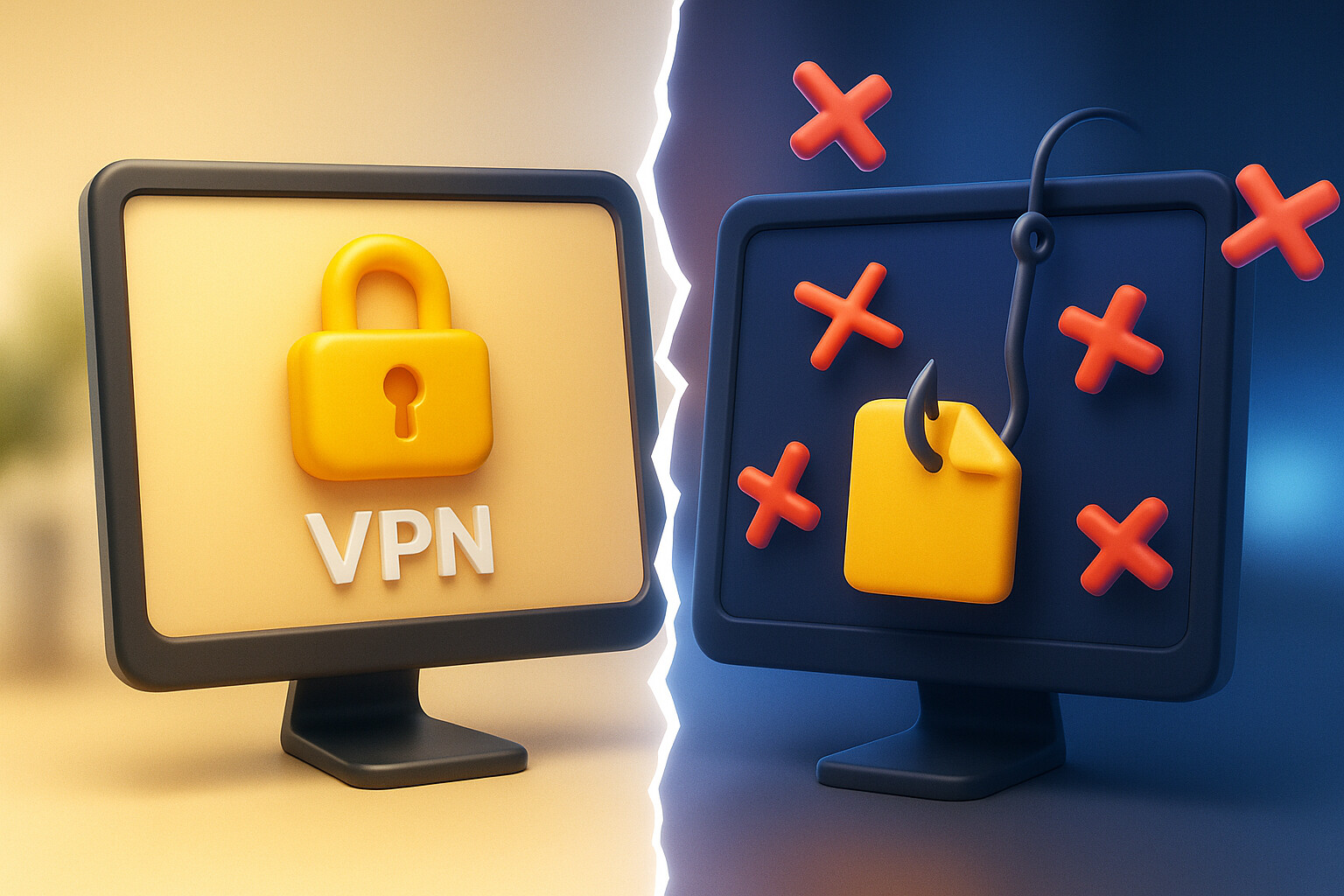
A VPN should protect, not compromise. Free services often do the exact opposite.
2. Weak protection and vulnerabilities
Free VPNs often use outdated or unreliable encryption algorithms. Some even embed malware in the app. You think you’re being protected, but your device could actually be compromised.
3. Slow speed and instability
Because of limited servers and a large number of users, free VPNs work slowly. Forget about streaming in good quality, lag-free gaming, or fast file downloads.
4. Limited features and lack of support
Free services have neither technical support nor advanced features like Kill Switch, DNS leak protection, or the ability to choose a specific protocol. And if something goes wrong — there’s nowhere to turn for help.
5. Legal risks
Some free VPNs are registered in countries with questionable privacy laws. Your data could be handed over to authorities or simply “leak” in an unknown direction.
What do experts say?
Cybersecurity specialists agree on one thing: it’s better to pay for a reliable service than to risk your privacy, security, and device.
Paid VPNs, such as R-VPN, offer:
- AES-256 encryption (military standard)
- Modern protocols (WireGuard, OpenVPN)
- Hundreds of servers in different countries
- Constant 24/7 technical support
- A full anonymity policy with no log storage
Why choose R-VPN
R-VPN is not just a secure and fast VPN. It’s a service trusted by thousands of users around the world. It doesn’t collect your data, doesn’t slow down your connection, and doesn’t let you down when you need it most.
- Servers in dozens of countries
- High speed even under heavy load
- Reliable encryption and protection
- Convenient apps for all devices
- Constant user support
Free VPNs can cost you more than you think: data leaks, viruses, slow internet, and complete lack of protection. If you value privacy, security, and stability, don’t scrimp on what matters most.
R-VPN is a platform you can trust. True anonymity, access to any content, and no tricks.